
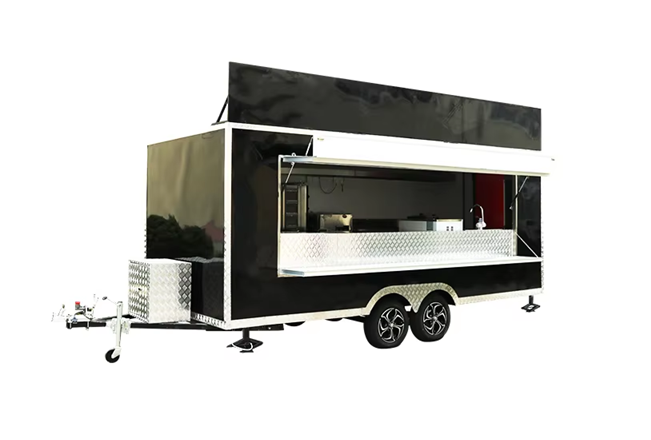
Choosing the right mobile setup can make or break your food business, especially when you are investing in a competitive and fast-growing market. A well-built trailer is more than just a cooking space; it is your entire operational base, brand presence, and customer experience rolled into one compact unit.
When searching for a food trailer for sale, it is easy to focus solely on appearance or price. However, the real value lies in the essential features that support efficiency, safety, and long-term durability. Understanding what to prioritise will help you avoid costly upgrades later and ensure your business runs smoothly from day one.
Build Quality and Structural Strength
The foundation of any reliable food trailer is its build quality. A strong frame made from galvanised steel or aluminium helps protect against rust and wear, especially in Australian weather conditions. The exterior should also be designed to handle frequent travel, temperature changes, and constant use.
Inside, the layout should feel solid and well-fitted, with secure fixtures that do not shift while in transit. Poor construction often leads to maintenance issues, so it is worth investing in a trailer that is built for heavy-duty commercial use.
Efficient Kitchen Layout
A smart kitchen layout is one of the most important features to look for. Space in a food trailer is limited, so every centimetre must be used effectively. The design should facilitate a smooth workflow between the preparation, cooking, and serving areas.
Look for practical placement of workbenches, cooking equipment, and storage units. A well-designed layout reduces movement, improves speed during peak hours, and helps maintain hygiene standards. If staff constantly bump into each other or struggle with cramped space, productivity will suffer.
Power and Gas Systems
Reliable power and gas systems are essential for daily operations. Depending on your menu, you may need commercial fryers, grills, refrigeration, or espresso machines, all of which require a stable energy supply.
A good trailer should include properly installed electrical wiring that meets Australian safety standards, along with sufficient outlets for all equipment. Gas systems must be certified, secure, and easily accessible for maintenance. Poor setup in this area can pose safety risks and cause unexpected downtime.
Ventilation and Temperature Control
Cooking in a confined space generates heat, smoke, and strong odours, making ventilation a critical feature. A high-quality exhaust system helps maintain airflow and keeps working conditions safe and comfortable.
Proper ventilation also protects equipment from overheating and reduces condensation buildup inside the trailer. In addition, insulation and temperature control features help maintain a consistent internal environment, especially during hot Australian summers.
Storage and Hygiene Features
Efficient storage is often overlooked but plays a key role in daily operations. Look for trailers with built-in cupboards, shelving, and under-bench storage to keep ingredients and equipment organised.
Equally important are hygiene-focused features, such as stainless-steel surfaces, easy-to-clean walls, and handwashing stations. These elements support food safety compliance and make cleaning faster and more efficient at the end of each service.
Mobility and Exterior Design
Finally, a food trailer should be easy to tow and manoeuvre. Strong wheels, reliable brakes, and a balanced weight distribution system ensure safe transportation between locations.
Exterior design also matters more than many realise. A visually appealing trailer helps attract customers and strengthens brand identity. Clear signage, professional finishes, and a clean layout can significantly improve customer trust and interest.
A well-designed food trailer is a combination of practicality, safety, and branding. By focusing on these essential features, you can invest in a setup that supports long-term growth and consistent performance in a competitive mobile food industry.